Unexpected Composition Techniques to Elevate Your Creative Photography

Recent Trends in Visual Storytelling
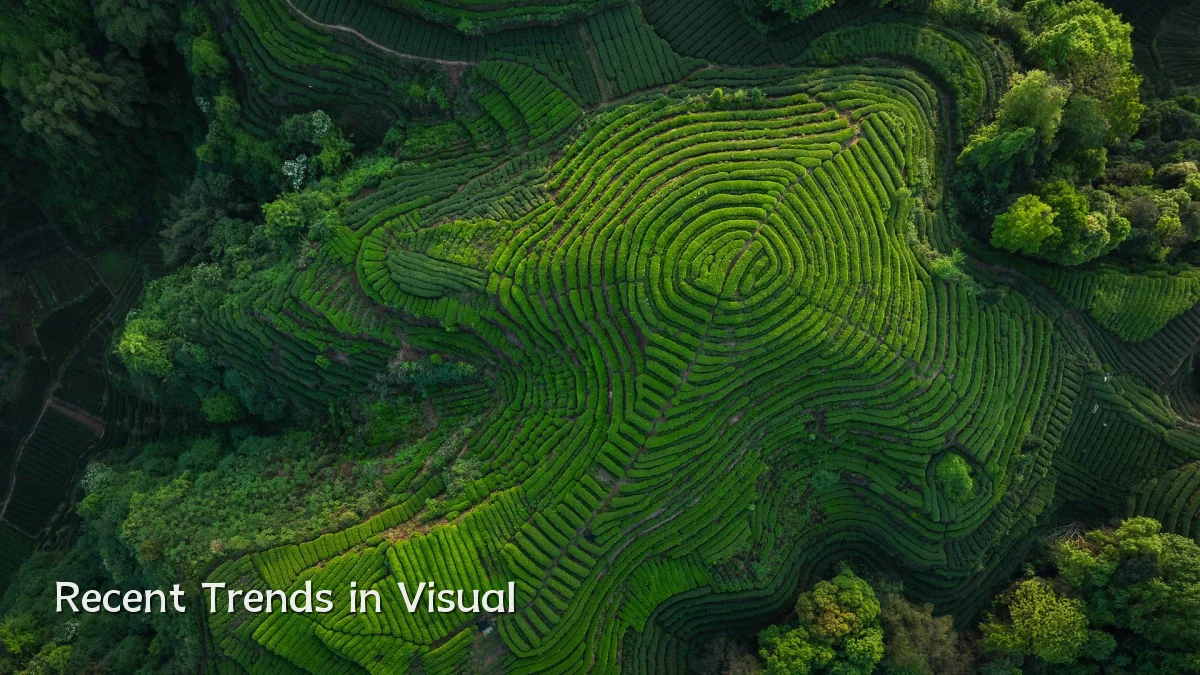
Over the past several seasons, a growing number of photographers have moved beyond the rule of thirds and leading lines toward more intuitive, rule-breaking approaches. Social feeds and portfolio reviews show a clear uptick in asymmetric framing, deliberate negative space, and off-center subject placement that challenges the viewer’s expectations. The shift appears driven in part by the saturation of polished, formulaic imagery—creators are seeking ways to stand out by making the composition itself part of the message.
Background: Why Traditional Rules Are Being Reconsidered
Conventional composition guidelines were developed to produce balanced, predictable images. While effective for many genres, these rules can limit creative expression when applied too rigidly. Photographers and visual editors increasingly note that unexpected framing—such as placing the subject at the very edge of the frame, using extreme foreground blur, or cutting off key elements deliberately—can communicate tension, movement, or intimacy more effectively than a balanced shot. The principle is not to abandon structure but to make conscious departures from it for emotional or narrative effect.

User Concerns and Practical Adoption
Photographers exploring these techniques often face practical hurdles. Common challenges include:
- Fear of “wrong” composition: Hesitation to submit or publish work that defies conventional taste.
- Loss of subject clarity: Ensuring the viewer still understands the focal point despite unusual framing.
- Inconsistent results: Difficulty replicating an effective offbeat composition across a series or shoot.
- Client or audience expectations: Balancing creative risk with commercial or editorial requirements.
A practical approach is to experiment with one variable at a time—for example, shift the subject to the extreme lower third while keeping other elements orderly—and review the emotional response rather than technical correctness.
Likely Impact on Creative Work and Audience Engagement
When applied intentionally, unexpected composition can increase visual curiosity and dwell time. Images that resist easy scanning tend to invite closer inspection. For portfolios, a mix of traditional and unconventional frames often signals versatility and confidence. The risk is that overly disruptive compositions may confuse casual viewers, so many practitioners recommend using these techniques selectively—perhaps in one out of every four to six images within a series—to preserve narrative coherence while adding moments of surprise.
What to Watch Next in Composition
Several emerging directions may influence how photographers approach framing in the near future:
- Algorithm-aware framing: As social platforms use AI-driven cropping and thumbnail generation, compositions that are intentionally off-center may be automatically recentered, requiring photographers to account for automated adjustments.
- Cross-medium borrowing: Compositional ideas from cinema, graphic novels, and interactive media—such as Dutch angles, split diopter effects, or dynamic paneling—are being adapted into still photography.
- Minimalism with disruption: A trend toward extremely spare frames with one deliberately broken element (a blur, a cut edge, a distracting background object left in) to create tension without clutter.
- Personal style as rule system: Photographers developing their own internal composition logic—for instance, always placing the horizon at a specific ratio or always including a partial frame—as a recognizable signature.
The key takeaway for practitioners is that composition is not a fixed set of prohibitions but a vocabulary. Learning the classic rules provides a baseline; applying unexpected techniques thoughtfully gives that vocabulary new power. The most effective photographers tend to treat composition as a flexible tool rather than a checklist.