Unconventional Composition Techniques to Transform Your Photography

Recent Trends in Composition
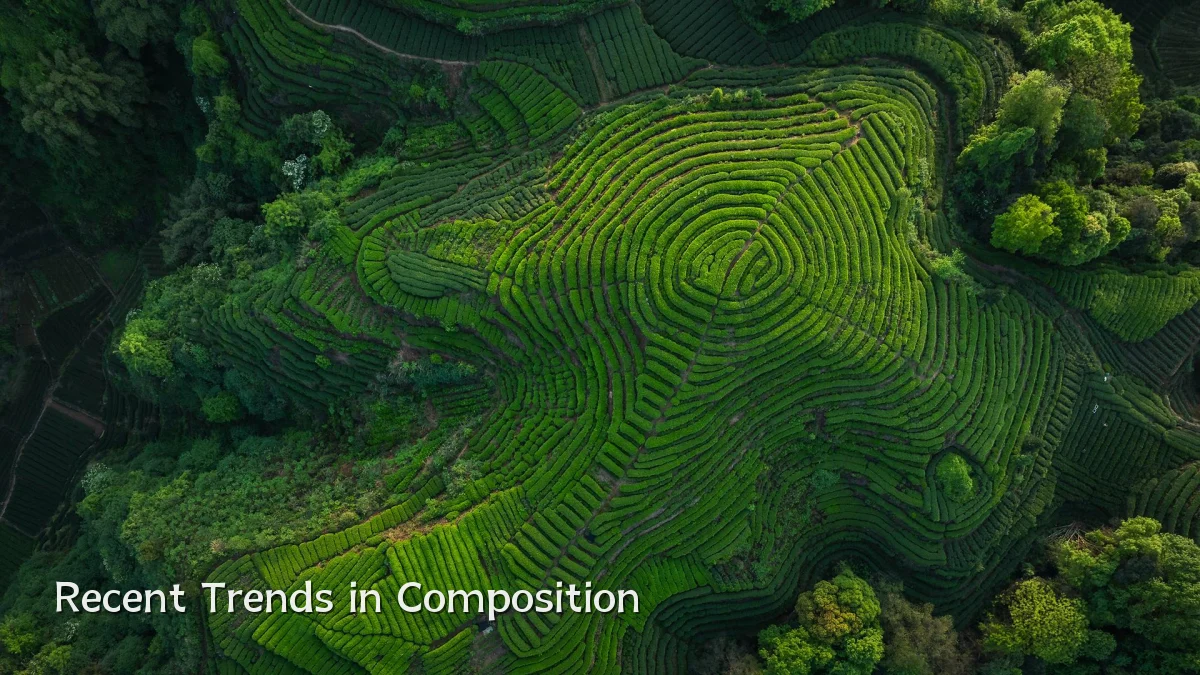
Over the past several months, photography blogs and online communities have increasingly highlighted techniques that move beyond traditional rule-of-thirds and leading lines. Creators are experimenting with negative space, intentional camera movement (ICM), and asymmetrical framing to produce distinctive images. These methods often rely on breaking established rules in order to evoke stronger emotional responses or convey narrative ambiguity.
- Rise of off-center negative space as a deliberate storytelling device
- Use of angular and diagonal horizon lines to create tension
- Incorporation of reflections, shadows, and layered elements without clear focal points
- Increased sharing of ICM results on social platforms as a stylistic choice
Background: Why Conventional Rules Are Being Questioned
The discipline of composition has long been guided by classical principles derived from painting and early photography. However, the proliferation of digital tools and the saturation of predictable imagery have pushed enthusiasts and professionals alike to seek differentiation. Many educators now argue that strict adherence to balance and symmetry can produce visually competent but emotionally flat work. Unconventional techniques aim to re-engage the viewer by introducing unpredictability and personal expression.

“The most compelling photographs often come from unlearning what we were taught,” is a sentiment frequently repeated in creative photography blog discussions.
User Concerns and Practical Considerations
Photographers exploring these methods often raise practical worries about audience reception and technical execution. Common questions include whether unconventional compositions will be misinterpreted as mistakes, especially in client work, and how to maintain visual coherence without formal structure.
- Market expectations: Some genres (e.g., real estate, product photography) still reward conventional framing. Unconventional approaches may see limited commercial use.
- Technical challenges: Techniques such as ICM require consistent practice and may yield a low number of usable frames.
- Feedback ambiguity: Subjective reactions can vary widely; photographers must develop a clear rationale for each compositional choice.
Likely Impact on the Photography Community
If current momentum continues, the acceptance of unconventional composition could shift how online portfolios and social feeds are curated. Photography judges, editors, and educators may gradually broaden criteria for “good” composition, placing more weight on intent and context rather than grid alignment. However, the impact is unlikely to be uniform across all niches. Fine art and editorial sectors appear most receptive, while traditional event and commercial photography may adopt these techniques more slowly or only in hybrid form.
What to Watch Next
Observers monitoring creative photography blogs should note a few emerging directions:
- AI-assisted composition: Software that suggests unconventional crops or framing based on viewer eye-tracking data could accelerate adoption.
- Workshop and tutorial evolution: Expect more structured courses teaching how to break rules intentionally, rather than just presenting rule-of-thirds as the default.
- Social media algorithm effects: Platforms may begin to reward unusual compositions that stop users from scrolling, potentially amplifying these trends further.