How to Craft a Professional Photo Story That Captivates Your Audience

Recent Trends
Photo storytelling is shifting from static galleries to narrative sequences that unfold across multiple platforms. Mobile-first consumption, short-form video hybrids, and interactive slideshows are gaining traction. Editorial teams now prioritise “visual arcs” over single strong images, and social algorithms reward posts that keep viewers engaged through a series of frames rather than a single swipe.
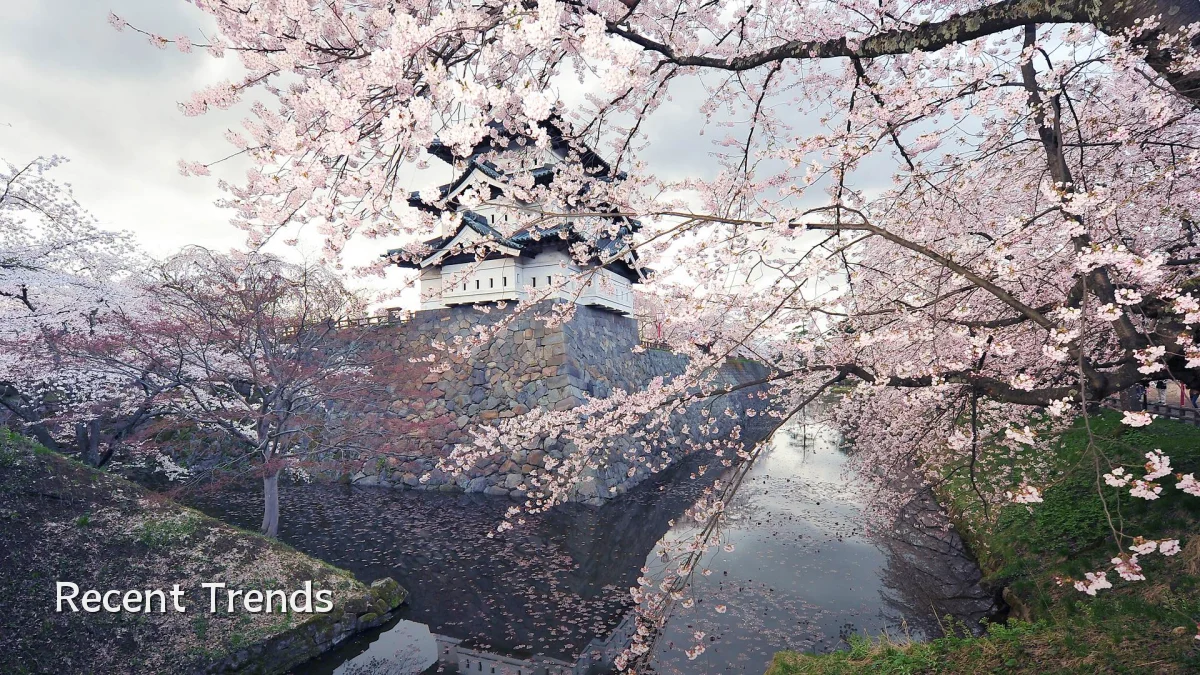
- Rise of carousel posts on social media, where each image builds on the last.
- Increasing use of behind-the-scenes and process shots to deepen narrative context.
- Integration of ambient sound or minimal captions to guide emotional tone without distracting from visuals.
Background
The professional photo story has roots in documentary journalism and long-form magazine essays. Traditionally, photographers were trained to produce a tight edit of eight to twelve images that told a complete story. Today, the format has expanded to brand campaigns, personal projects, and even corporate annual reports. The core principle remains: each image must advance a central theme or emotional journey, and the sequence must flow logically or thematically. The shift toward digital distribution has led to looser sequencing but tighter attention spans—forcing storytellers to front-load impact without losing coherence.

User Concerns
Practitioners and their clients often struggle with balancing artistic integrity with audience retention. Common pain points include:
- Determining the right number of images: Too few can feel incomplete; too many risk losing the viewer halfway through.
- Maintaining consistency in style and tone: Variations in lighting, color grading, or subject placement can break the narrative spell.
- Measuring success: Engagement metrics (time spent, completion rate, shares) are harder to track for photo stories than for video or text-based content.
- Budget and time constraints: Producing a professional set of connected images often requires scouting, multiple shoots, and careful post-production—resources that can be underestimated.
Likely Impact
As audiences become more visually literate, the demand for high-quality photo stories will grow. Early evidence suggests that content creators who invest in sequential storytelling can see higher dwell times and stronger brand recall compared to single-image posts. However, the risk of overproduction—overly polished sequences that feel staged rather than authentic—may alienate viewers who seek genuine human moments. The most successful photo stories in the near term will likely combine tight editorial discipline with a looser, more candid photographic style that feels native to the platform. Mobile-first tools that simplify sequencing and on-the-fly editing will also lower the barrier for smaller teams and independent creators.
What to Watch Next
Several developments are worth tracking for anyone involved in visual storytelling:
- AI-assisted sequencing: Emerging tools that analyse image content and suggest narrative flows based on composition cues or emotional tags.
- Platform-native storytelling formats: How Instagram, LinkedIn, and others update their carousel and gallery features (e.g., adding audio, transitions, or captioning control).
- Cross-platform consistency: The challenge of repurposing a single photo story for a website, a social carousel, and a printed booklet without losing narrative impact.
- Audience feedback loops: New metrics (like “scroll depth per image”) that help creators refine pacing and image selection based on real behaviour.