How to Tell a Powerful Story with Just Three Photos

Recent Trends in Visual Storytelling
Across digital platforms, creators and brands are increasingly moving away from dense image galleries toward tighter narrative formats. Social media feeds, portfolio presentations, and even news features now favor sequences of three images over larger sets. The reason is partly cognitive: viewers engage more with a curated trio than a scroll of ten. Platforms such as Instagram and Behance have actively promoted carousel posts that rely on a three-image arc, and editorial teams report higher completion rates when content is limited to a triptych structure.

Background: The Three-Photo Format Takes Shape
The concept of telling a complete story through three images is not new — visual journalists have long used the "establishing, action, consequence" structure. What has changed is the context. The rise of mobile-first reading habits has compressed attention spans. A three-photo sequence offers a natural beginning, middle, and end without overwhelming the audience. This simplicity maps onto a classic narrative arc:
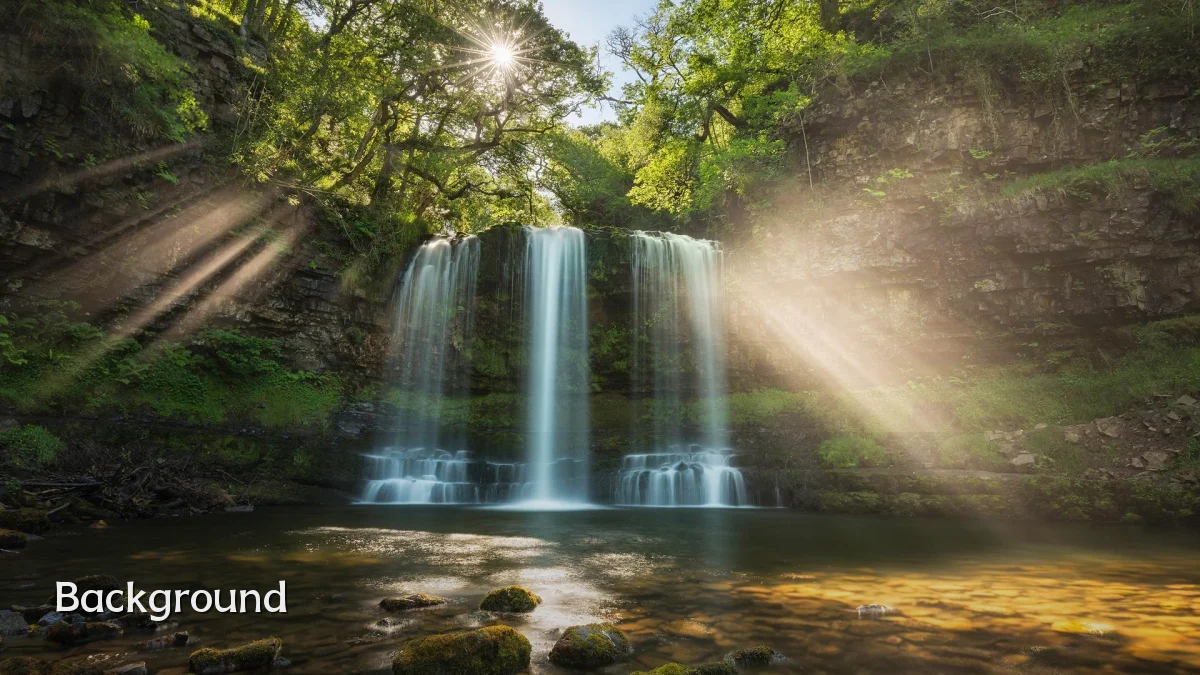
- Scene-setter — introduces the subject, location, or mood
- Turning point — captures the conflict, action, or key moment
- Resolution — shows the outcome, reflection, or broader context
This structure appears across genres: documentary series, product launches, travel stories, and personal milestones.
User Concerns and Practical Challenges
While the three-photo approach sounds straightforward, many users worry about losing depth. Common concerns include:
- Missing context — will three images leave out essential details or feel incomplete?
- Selection pressure — choosing which images to drop can feel like a loss of coverage
- Narrative clarity — without captions or text, images alone must carry the story, which demands strong visual literacy
These challenges can be mitigated by focusing each image on a distinct narrative function. Users report better results when they select photos that answer "where," "what happened," and "what changed," rather than three aesthetically similar shots.
Likely Impact on Content Creation and Consumption
Adopting a three-photo constraint pushes creators to edit ruthlessly and prioritize impact over volume. Early indicators suggest this format benefits several areas:
- Social media engagement — shorter sequences often see higher completion and share rates
- Portfolio presentation — three strong images can make a deeper impression than a mixed set of ten
- Journalistic clarity — the constraint encourages photographers to capture decisive moments rather than safe coverage
However, the approach may not suit every scenario. Complex narratives, long-form documentary projects, or data-heavy stories may still require more images or supplementary text. The three-photo structure works best when the story hinges on a single arc with a clear emotional or informative core.
What to Watch Next
As AI-powered editing and auto-curation tools become more accessible, we may see platforms that automatically suggest three-image summaries from larger sets. Several mobile apps already offer "best of" selection features, and editorial guidelines from major publishers are beginning to reference triptych formats for quick-read articles. The next development to track is how this constraint evolves in interactive media — for example, three-image stories that include embedded links, hover annotations, or short video loops. The core insight remains: limiting the frame count can strengthen the story, provided each image earns its place.