How to Craft Compelling Editorial Photography Stories: A Guide for Enthusiasts
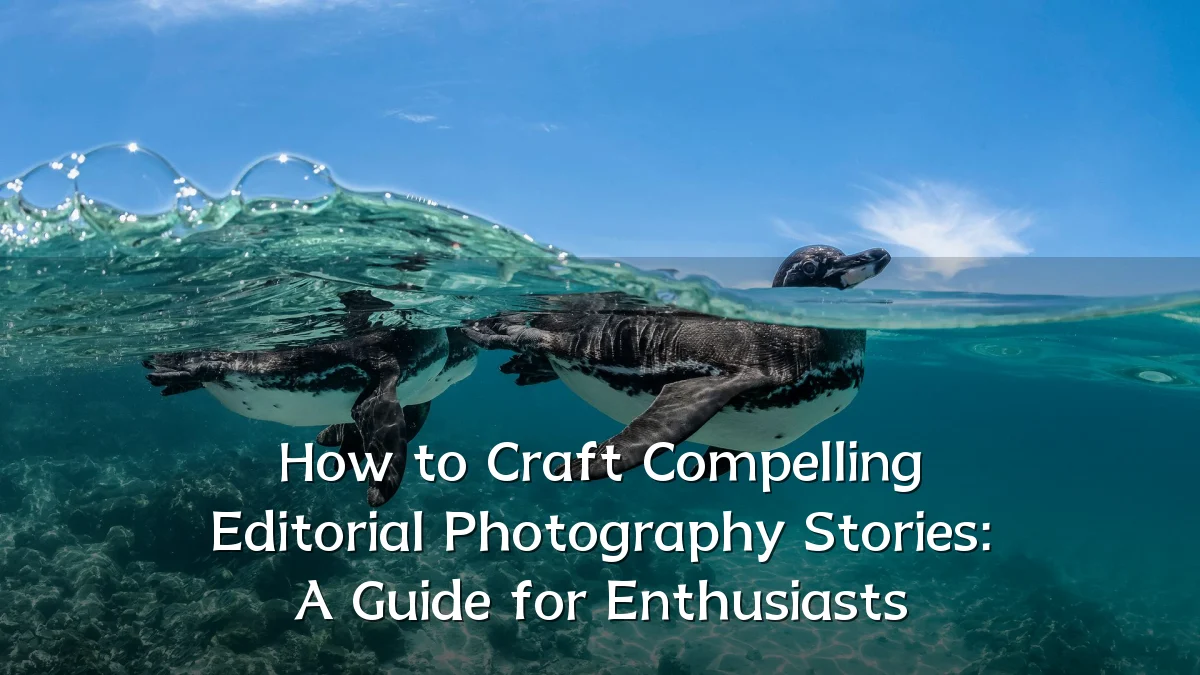
Enthusiast photographers seeking to move beyond standalone images are increasingly drawn to editorial storytelling—a structured approach that combines visual narrative, context, and sequence. This analysis examines the current landscape, the challenges enthusiasts face, and where the practice is headed.
Recent Trends in Editorial Storytelling

- Narrative series over singles: Platforms like Instagram and portfolio sites now favour cohesive sets of images that convey a beginning, middle, and end rather than one-off shots.
- Cross-platform repurposing: Enthusiasts are adapting the same photo essay for web galleries, social carousels, and print zines, requiring flexible editing workflows.
- Documentary and lifestyle blur: Authentic, unposed moments are valued over highly styled shoots, making editorial techniques accessible with minimal gear.
- Subtitling and captions as part of the image sequence: Brief text excerpts are increasingly embedded between frames to provide context without overwhelming the visual story.
Background: What Makes an Editorial Story
Editorial photography traditionally serves magazines and news outlets to illustrate a theme, person, or event. For enthusiasts, the core principles remain: a central concept, a deliberate sequence of images, and a narrative arc that evolves through composition, lighting, and subject interaction. Unlike stock photography, editorial work demands point-of-view—the photographer’s interpretation of a subject—rather than generic representation. This shift from “taking pictures” to “building a story” is what distinguishes an editorial approach.

User Concerns for Enthusiasts
- Finding a story worth telling: Many enthusiasts worry about lacking access to dramatic events or exotic locations. Practical solutions include documenting everyday rituals, local subcultures, or personal projects anchored by a single theme.
- Maintaining visual consistency across the series: Differences in exposure, colour temperature, or framing can break the narrative. Establishing a shooting style guide (e.g., same lens aperture, consistent white balance) before starting helps unite frames.
- Balancing quantity vs. quality: Editorial series often need 8–15 strong images. Enthusiasts may overproduce weak filler; editing ruthlessly with a story arc in mind—opening, build, climax, resolution—keeps the set tight.
- Getting feedback or publication: Without a press outlet, enthusiasts can share on platforms built for series (e.g., Flickr albums, Behance, personal blogs). Focusing on a niche (e.g., urban gardening, skateboarding culture) increases the chance of building an engaged audience.
Likely Impact on Enthusiast Photography
Mastering editorial storytelling can elevate an enthusiast’s portfolio from a collection of isolated images to a portfolio that demonstrates intentionality. This shift often leads to stronger engagement on social media, more meaningful personal projects, and—for some—opportunities to contribute to local publications or brand collaborations that value authentic narratives. On the downside, the pressure to produce cohesive series can lead to over-planning, reducing the spontaneity that draws many to photography. The key is finding a balance between structure and flexibility.
What to Watch Next
- AI-assisted editing for consistency: Tools that automatically match colour and tone across a series will lower the technical barrier, allowing enthusiasts to focus on story rather than post-production.
- Interactive photo essays: Web-based platforms now allow readers to click through images at their own pace, with embedded audio or short text links. Enthusiasts should experiment with non-linear sequencing.
- Ethical storytelling guidelines: As more amateurs document real people, the need for consent, context, and respectful representation will become a bigger part of workshops and community guidelines.
- Cross-training with video: Short-form video (e.g., Instagram Reels) can act as a “trailer” for a photo essay, drawing viewers into the still version. Enthusiasts may begin to think in mixed-media sequences.